Understanding Gap Patterns: A Comprehensive Technical Guide
Gaps expose sudden imbalances in supply and demand. Some are simple context clues, while others define major shifts in trend strength or direction. Below are the key families of gap patterns.
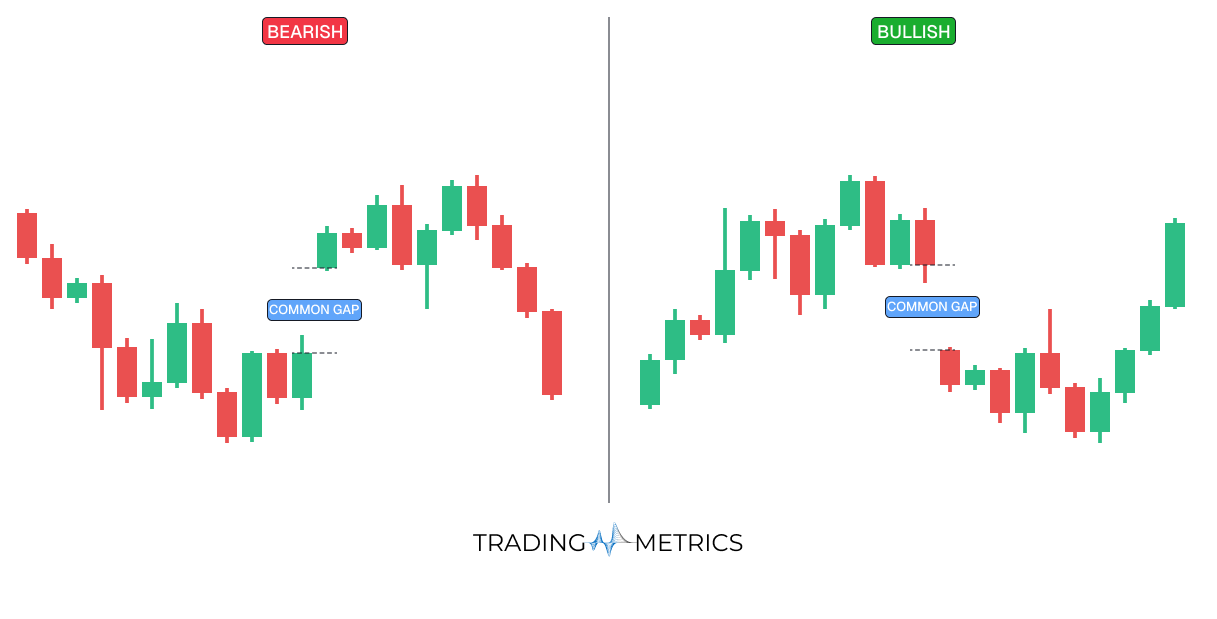
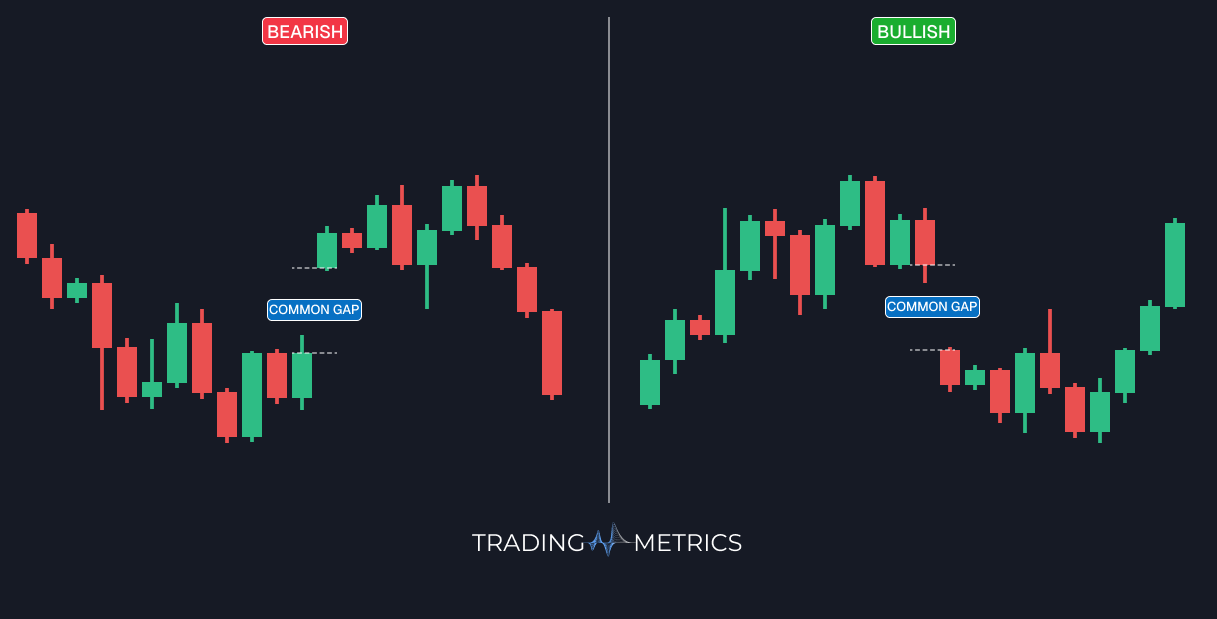
Common Gap
The most basic type of gap, often appearing in ranges and usually filled quickly. More context than signal, but still important.


Trend-Defining Gaps
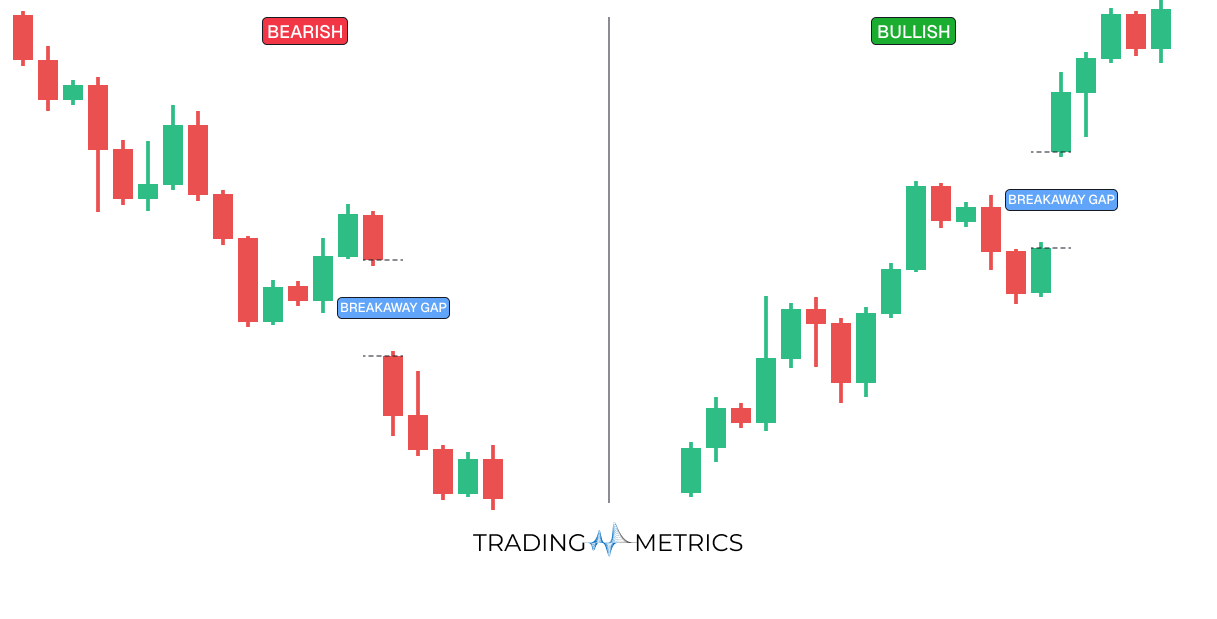
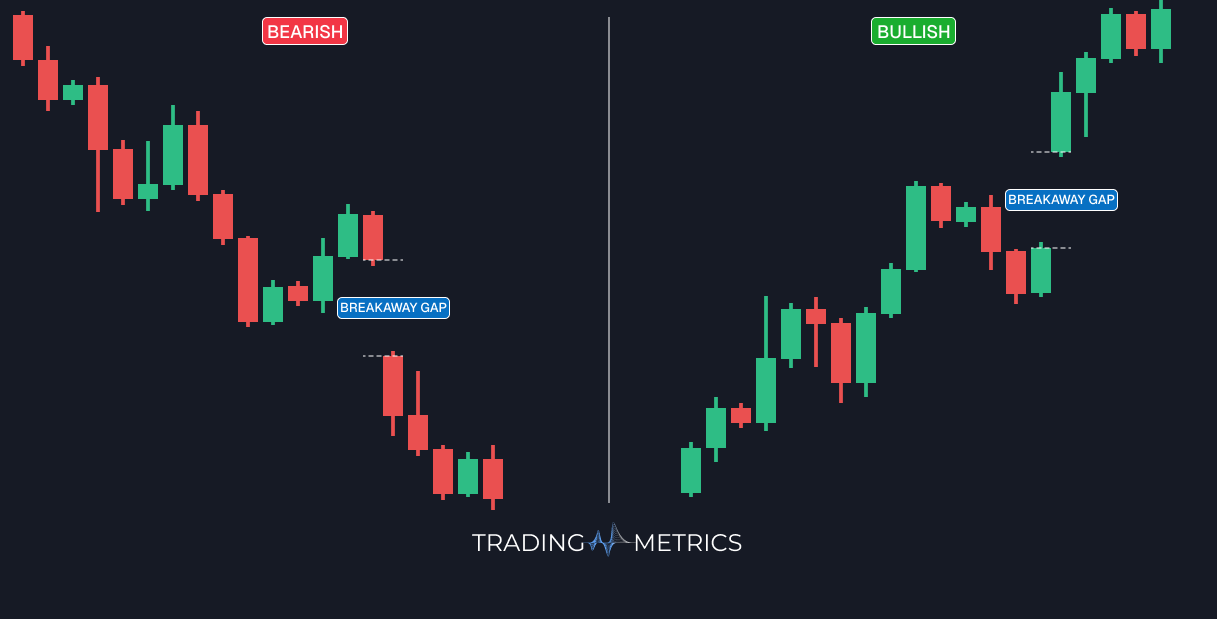
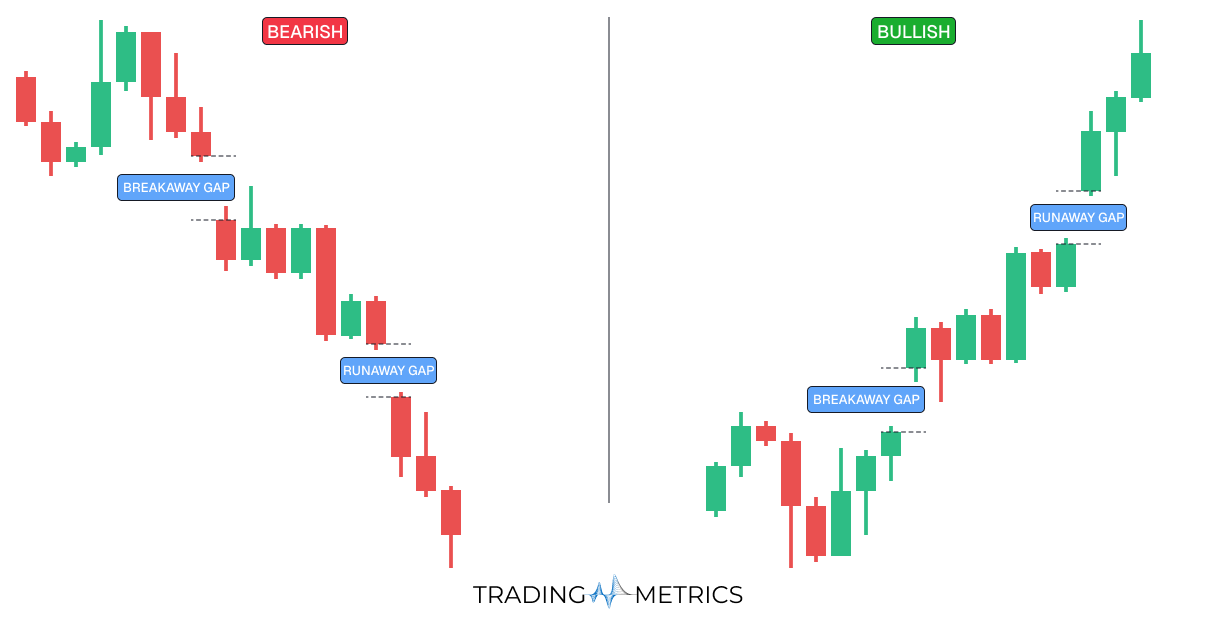
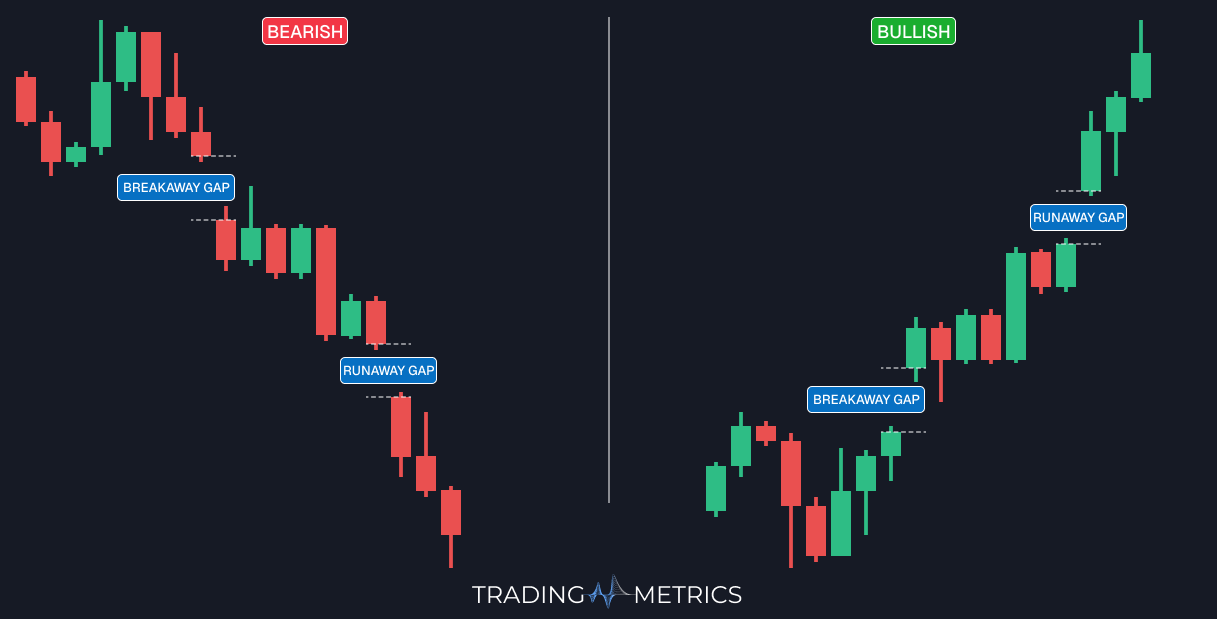
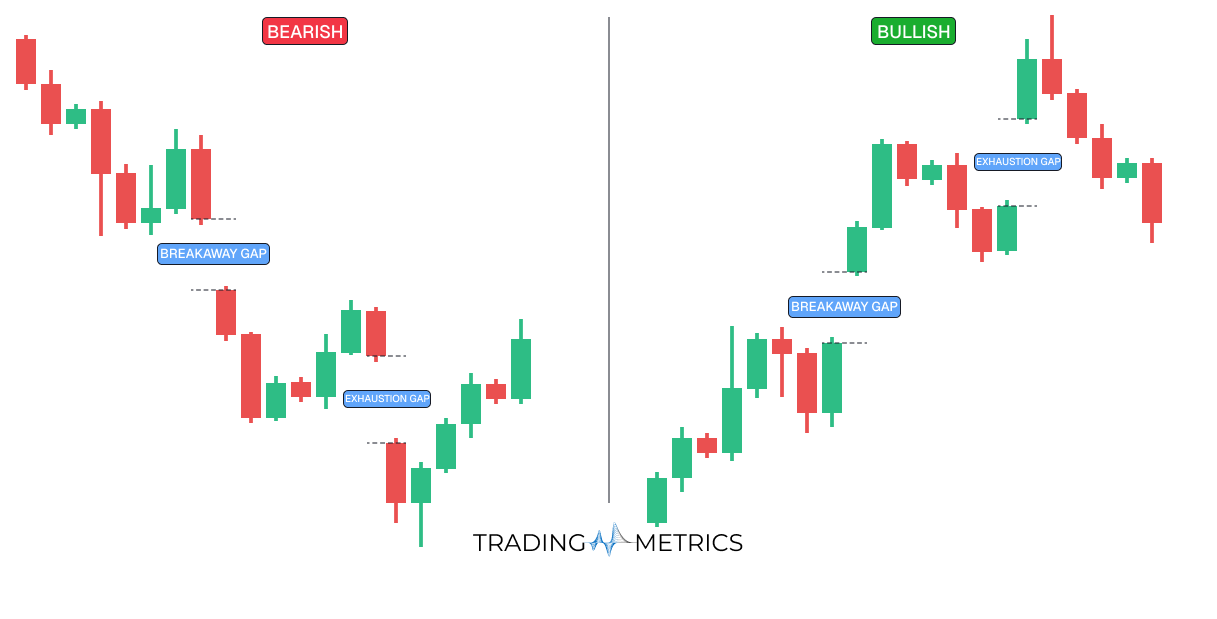
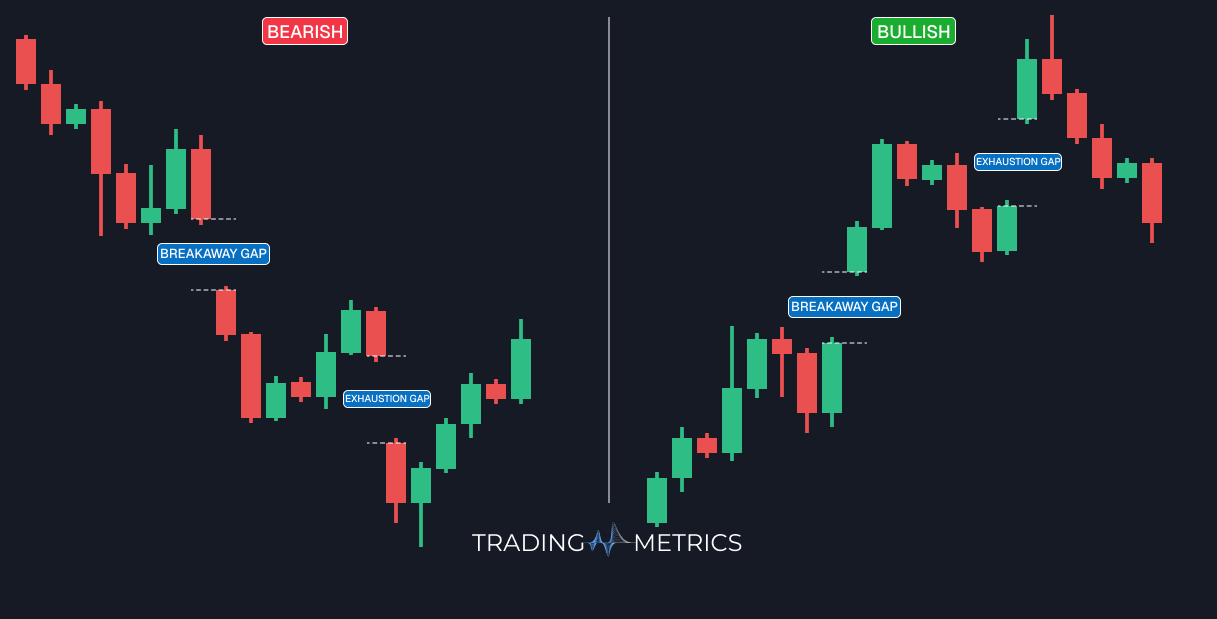
Patterns that set the tone of a move — from the breakout start, through momentum acceleration, to the final exhaustion push.
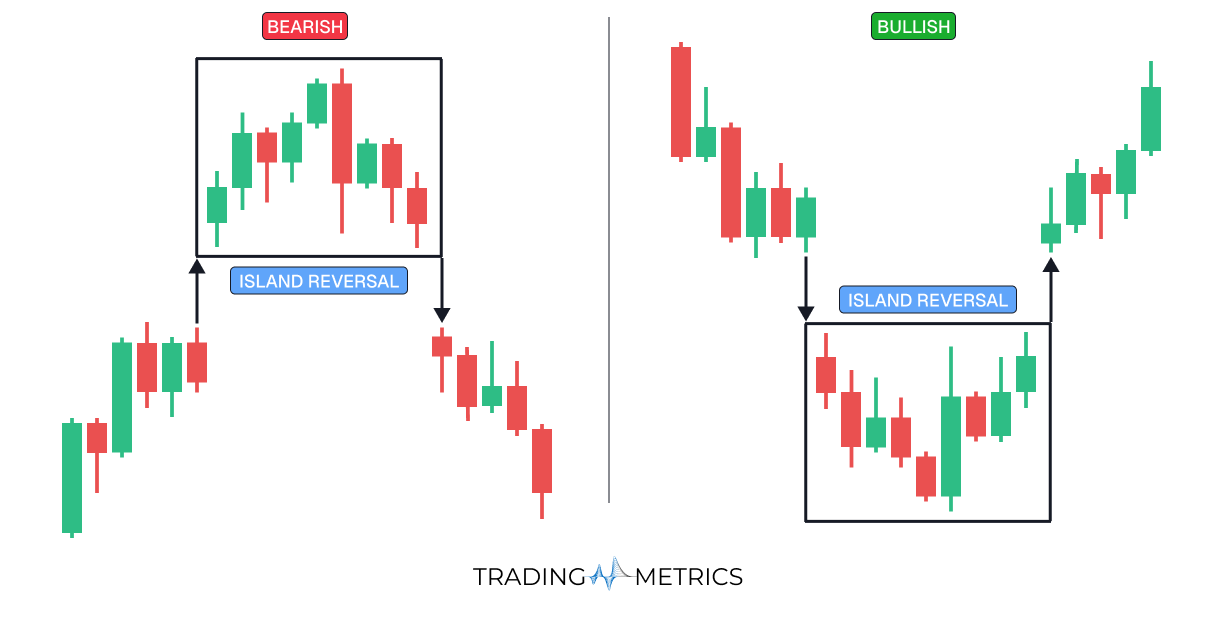
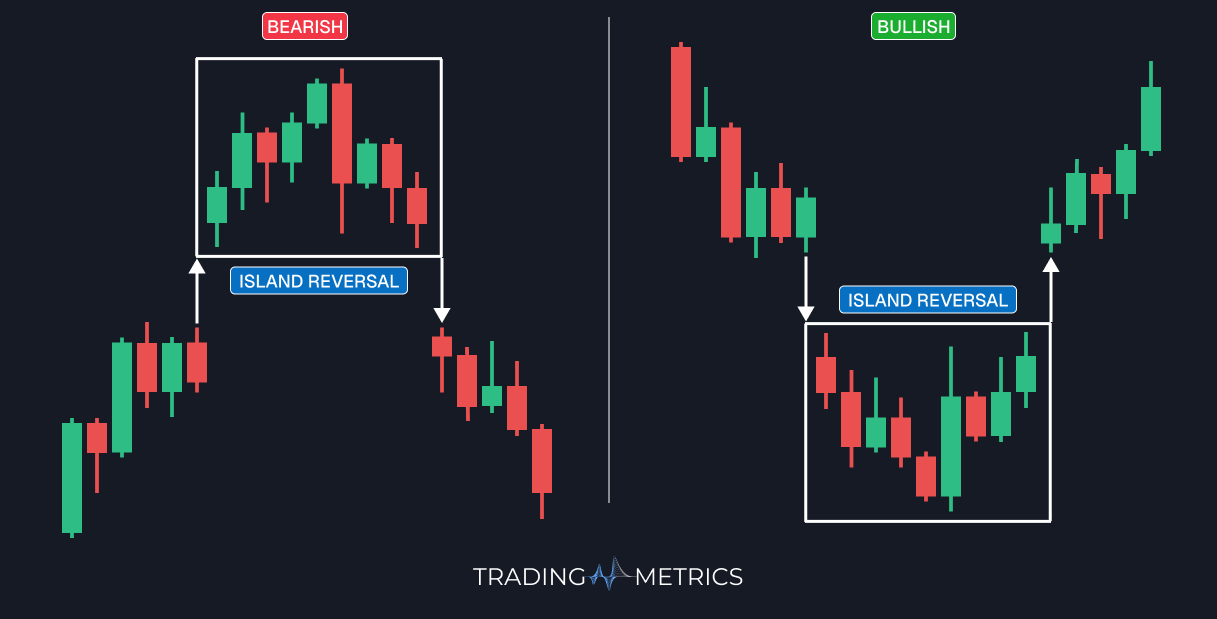
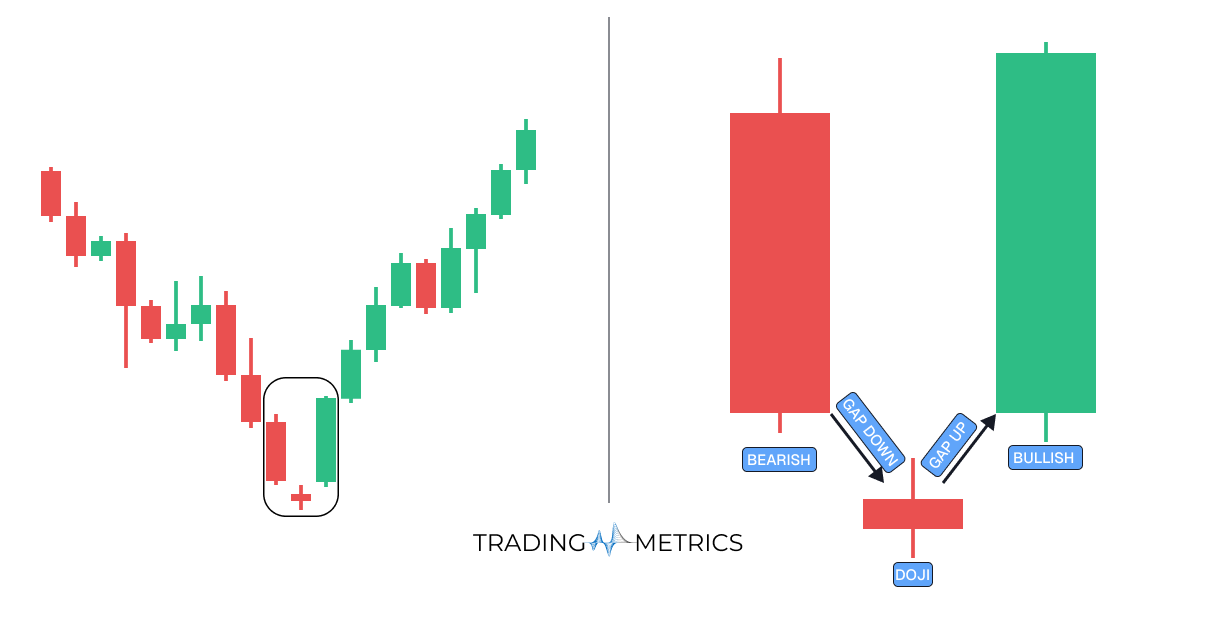
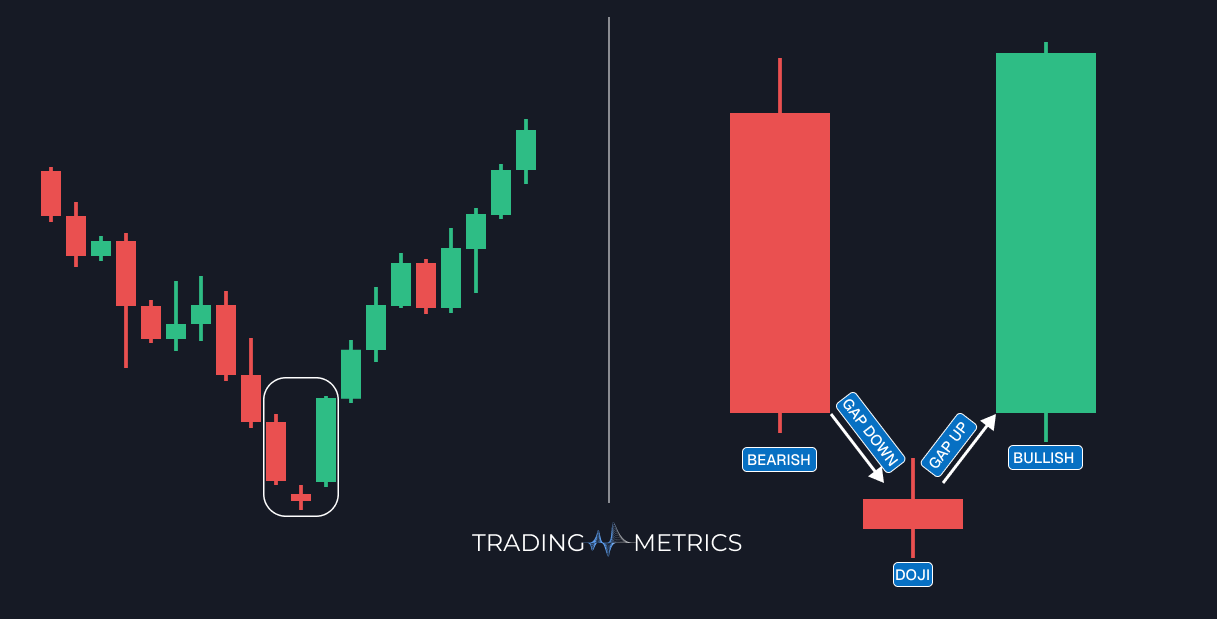
Reversal Gap Formations
When gaps isolate candles or clusters, they can signal sharp sentiment flips and trend reversals.
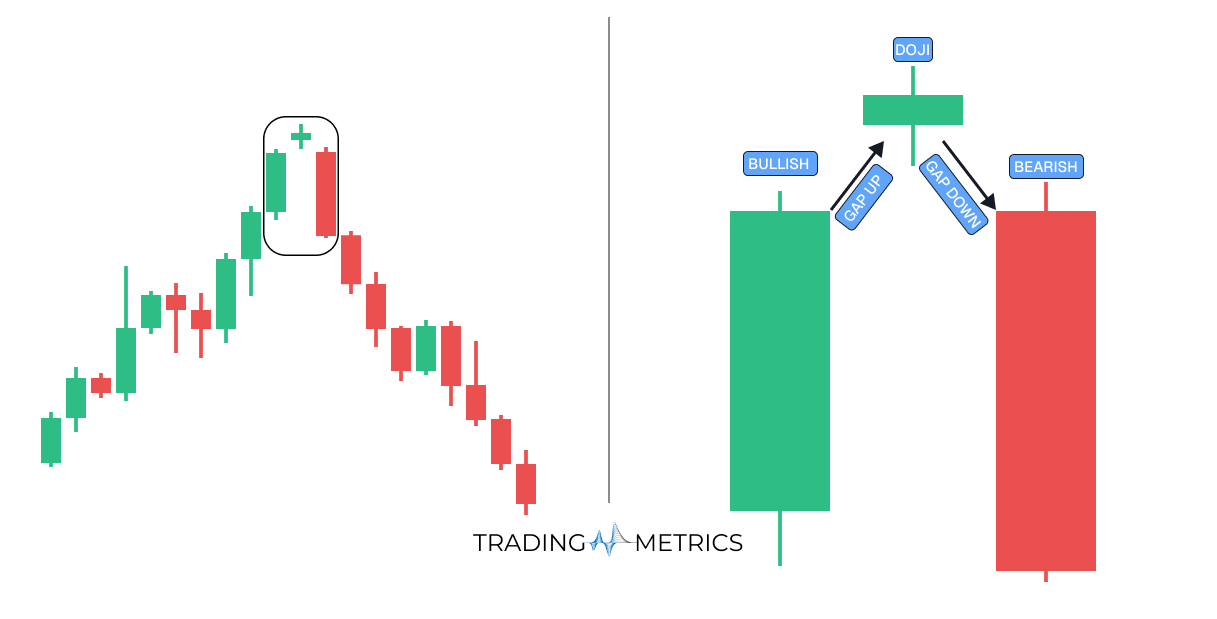
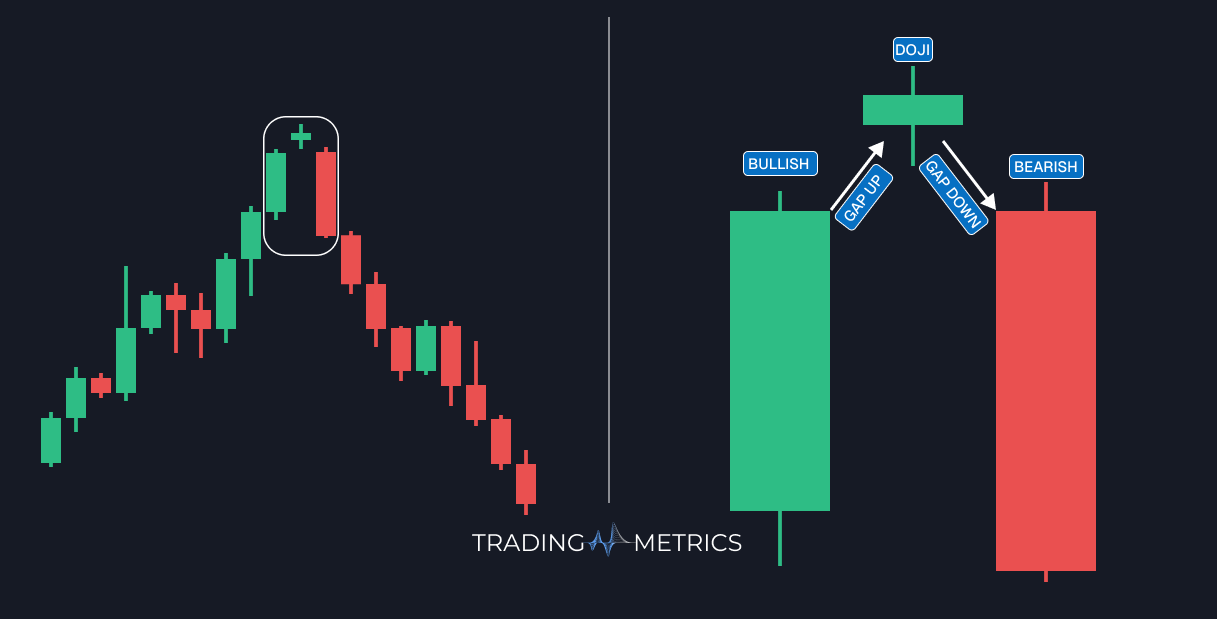
Tasuki Gaps
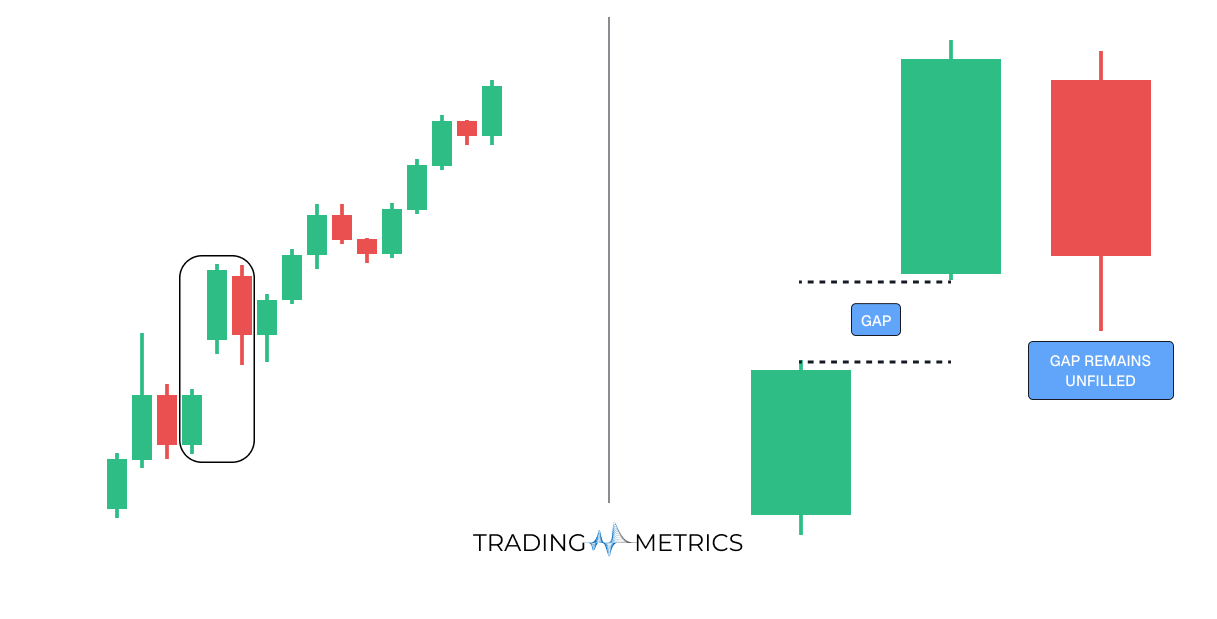
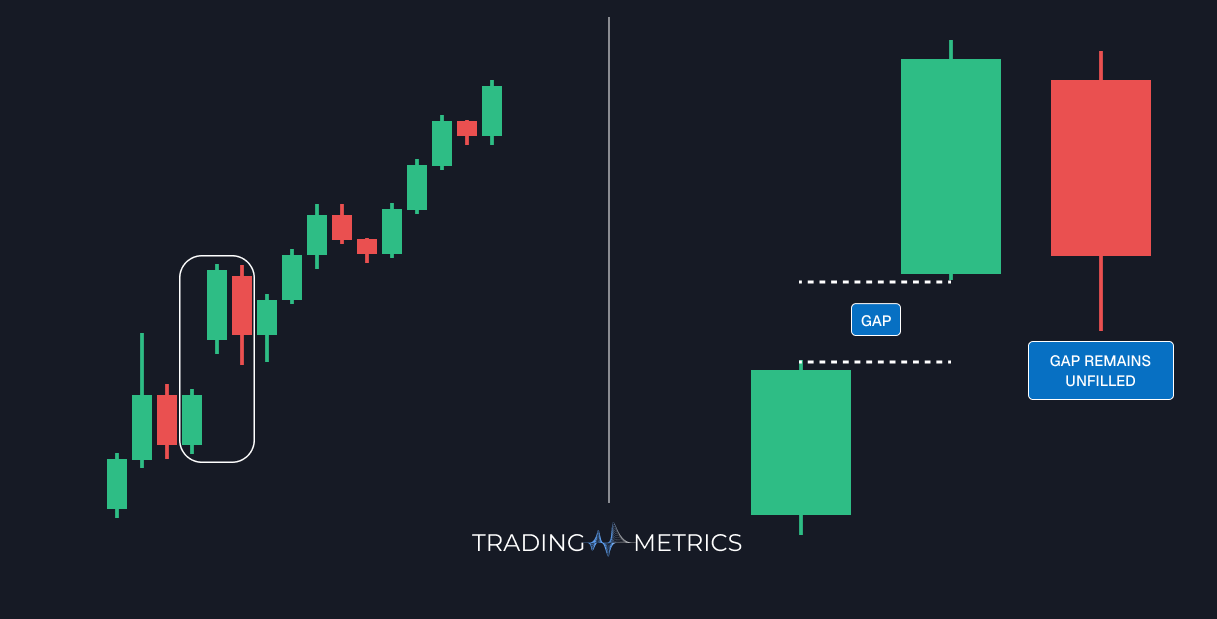
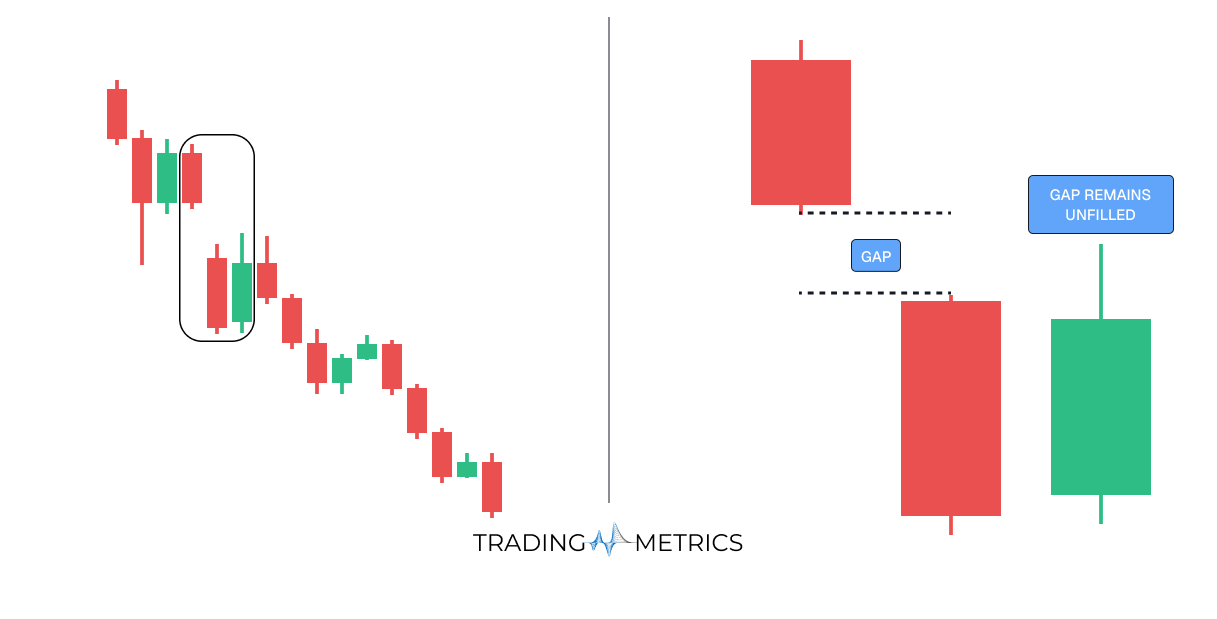
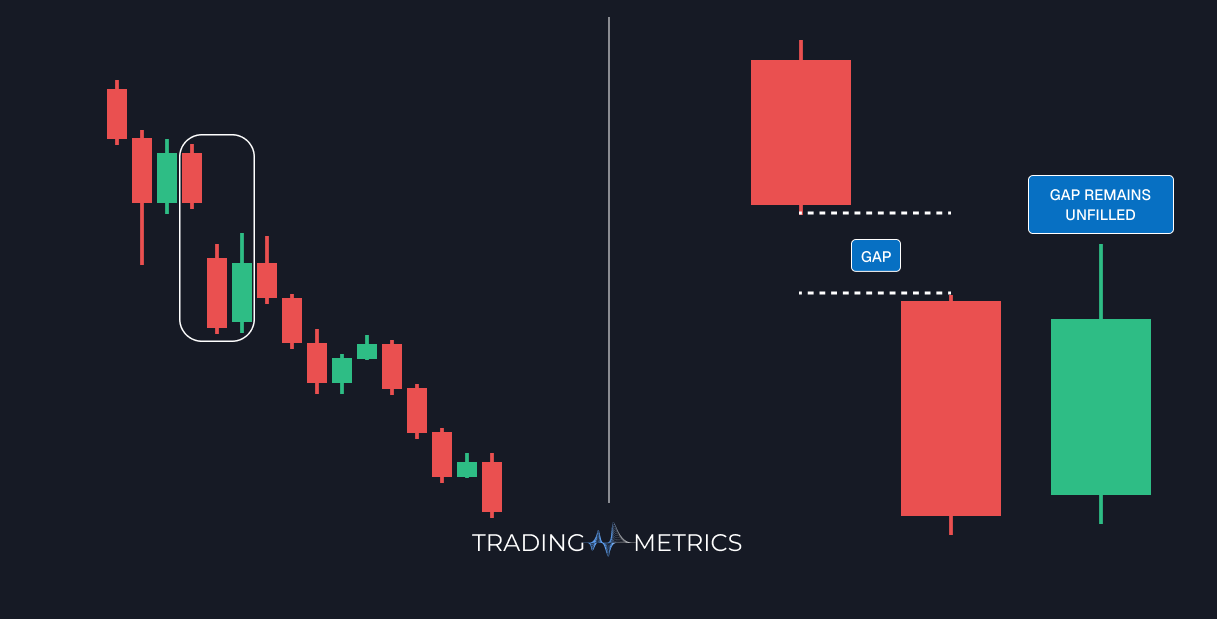
Continuation Patterns where a counter candle confirms the move without closing the gap.
Frequently Asked Questions
Quick answers based on this page's topic.
Gaps occur when there is a sudden imbalance in supply and demand, often triggered by major news events, earnings reports, or overnight shifts in sentiment. This results in the price 'jumping' from one level to another without any trading activity occurring in between.
A breakaway gap occurs at the start of a new trend, signaling a powerful breakout from a consolidation zone. An exhaustion gap happens at the end of a long trend, signaling that the last remaining buyers or sellers have entered the market and a reversal is likely near.
While many gaps are eventually 'filled' as price returns to the pre-gap level, it is not a guaranteed rule. Breakaway and runaway gaps in strong trends can remain unfilled for years. Traders should look for the 'fill' as a potential support or resistance level rather than a certainty.